Patios
Outdoor entertaining is part of our lifestyle and people have loved it since years. Although the weather can play a spoilsport sometimes, who doesn’t want to spend a relaxing afternoon or evening in a private backyard or patio? It’s indeed a cool idea!
A great patio is so much more than an extension of your home. It’s a place to relax, gather with family and friends and could be an amazing venue for a number of parties! It’s a great idea to give it a unique and wonderful look.
As well as the colours and design, at LCS we are looking at the technical aspects, functionality and practicality of the patio. It needs to be hardwearing to handle the heavy traffic and usage that comes from frequent use and weather exposure, quality and durability are the key factors.

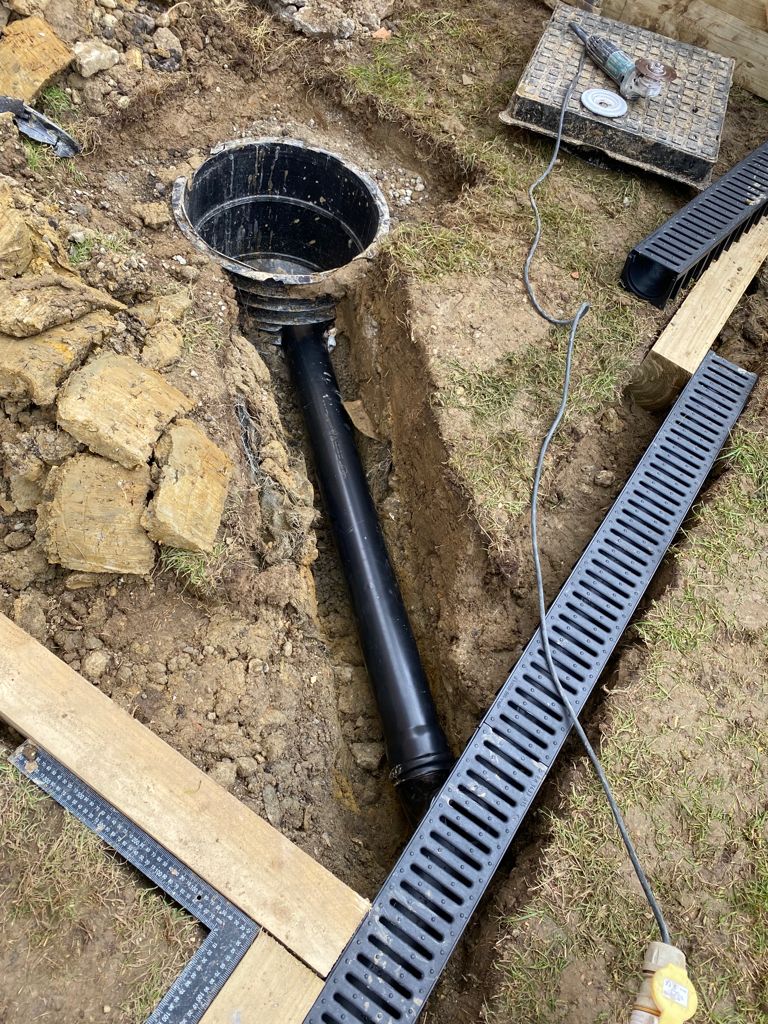
One important mention is that when building a patio, by covering the ground, the overall soil area is being reduced so you will have less rain water absorption therefore installing adequate drainage is very important.
Being low-maintenance is also a plus. The benefits of having a patio are ongoing and include maximising your space, adding value to your property and increase the quality of your lifestyle at home.
Hardwood or decking can be used for patios, but traditionally stronger materials are preferred.
- Concrete slabs have been a common practice over the years
- Use of natural stone can give your space a classy and natural feel
- Bricks can help getting that ‘rusty’ look
- Crazy paving could work wonders in the right backyard
- You could also use tiles that match your house’s internal colour or style
- Mixed paving in different combinations is also another good option

Travertine is one of several natural stones that are used for paving patios and garden paths.
Travertine tiles are preferred by architects, interior designers, pool installers and landscapers due to their slip resistance, timeless beauty and naturally occurring earthy colours that blend elegantly in any landscaping environment or interior decoration.
Granite has been extensively used as a dimension stone and as flooring tiles in public and commercial buildings and monuments.
Engineers have traditionally used polished granite surface plates to establish a plane of reference, since they are relatively impervious and inflexible.


Construction marble is a stone which is composed of calcite, dolomite or serpentine which is capable of taking a polish.
More generally in construction, specifically the dimension stone trade, the term ‘marble’ is used for any crystalline calcitic rock (and some non-calcitic rocks) useful as building stone.
Sandstone was a popular building material from ancient times. It is relatively soft, making it easy to carve. It has been widely used around the world in constructing temples, homes, and other buildings.
It has also been used for artistic purposes to create ornamental fountains and statues.sandstone.


Limestone is long-lasting and stands up well to exposure. From a practical perspective, limestone pavers can withstand extreme temperatures and are ideal for creating elegant walkways through the garden. They make attractive backyards, patios and entertainment areas.
Throughout the centuries, limestone has been a key construction material.
Basalt is an igneous rock that forms from the rapid cooling and solidification of lava. This results in a strong stone that lasts a lifetime in a range of different applications.
Basalt is actually a matrix of very fine grains that are barely visible to the naked eye but create a visually striking stone.

You can see all our services here.
We are ready to work on your project, so contact LCS today to get a price quotation.