Retrofit works, remodelling and renovation for sustainability and improved the energy efficiency.
Remodelling, renovation and additions to dwellings can improve the liveability and sustainability of your home with careful planning, thoughtful design and a considered choice of builders.
Retrofitting residential dwellings for improved sustainability and energy efficiency is a crucial step towards a more sustainable future. The importance of such retrofit works cannot be overstated, as they play a pivotal role in addressing environmental concerns, reducing energy consumption, and enhancing overall quality of life.
First and foremost, retrofitting existing homes significantly reduces their carbon footprint. Older homes often lack the energy-efficient technologies and materials that are standard in newer constructions. By upgrading insulation, windows, heating, ventilation, and air conditioning (HVAC) systems, and implementing renewable energy sources like solar panels or heat pumps, these homes can dramatically decrease their energy consumption. This not only leads to a reduction in greenhouse gas emissions but also helps combat climate change by minimising the demand for fossil fuels.
Energy efficiency is a key component of retrofitting and it often translates into reduced bills on gas and electricity. This financial relief can make a significant difference in household budgets, especially in the long term. Moreover, it enhances the resilience of households by reducing their vulnerability to fluctuations in energy prices.
Beyond the financial aspect, retrofitting works can also improve the comfort and health of occupants. Better insulation and well-sealed windows, are some of the systems contributing to a more comfortable indoor environment year-round. Additionally, improved indoor air quality resulting from enhanced ventilation systems promotes better respiratory health, reducing the risk of illnesses related to poor air quality.
In conclusion, retrofitting residential dwellings is a fundamental step towards achieving sustainability and energy efficiency. It not only benefits the environment but also enhances the well-being of homeowners through energy savings, increased comfort, and improved health. Encouraging and investing in retrofitting projects is essential in the broader effort to mitigate climate change and build more sustainable, resilient communities.
External Wall Insulation (EWI)
External wall insulation involves insulating the outer walls of the homes and buildings through a protective material. The protective material often comes with a decorative finish, so you can insulate the home while also improving its overall appearance.
Outside walls are where thermal transmission most commonly occurs in the majority of buildings. External wall insulation can significantly moderate this – improving the building’s energy efficiency, as well as cutting CO2 emissions and reducing fuel or cooling costs.
External walls come in different shapes and forms. These range from cavity walls to rendered systems and façade cladding, for domestic, commercial, and industrial buildings. Each type of external wall has its own advantages and disadvantages. They appeal to the building owner in one way or another, by assuring good energy performance that meets local requirements.
External wall insulation (EWI) offers various benefits to homes and buildings, including:
- Insulating the homes for better energy efficiency and lower energy bills.
- Improves the weather protection of homes.
- Improve the home appearance.
- Great for properties with no cavity wall insulation.
- Refresh the look of your home.
- Creating a thermal jacket to keep homes warm in winters and comfy in summers.
- Reduce temperature fluctuations inside homes for a comfortable living environment.
- Lower energy bills – save up to 35% on annual heating costs.

There are many types of external wall insulation, with some of the most used being the following:
Mineral Wool
Mineral wool is the type of external wall insulation that we install, Knauf is the brand. For EWI mineral wool is compressed into an insulation board that is fireproof, soundproof and carries all of the same benefits as any other mineral wool insulation which happens to be the worlds most popular type of insulation (and for good reason!).
(EPS) Expanded Polystyrene Insulation
Expanded polystyrene external insulation is a bit like it sounds, polystyrene is compacted together creating a solid insulation board. It’s a lightweight type of insulation, however it comes with varies risks and cons, hence we choose not to install it!
Wood Fiber Insulation
Wood fiber is the most eco friendly and sustainable insulation, making it appealing to people looking to reduce their carbon footprint, however, it is only really suitable for timber framed buildings and things of this nature.
External Rendering
Much like roughcasting, external rendering acts as external insulation but looks much better than roughcasting, both provide another layer of protection for your walls from the outside elements.
Residential Renovation
In the broadest sense, ‘to renovate’ means to make new again, to revive. When you apply this definition to the world of home construction, ‘reviving’ could mean anything from repainting and refacing cabinets to installing new lights or adding other finishes and fixtures. Regardless of the task at hand, the original design is never dramatically altered. Rather, it is simply updated or tweaked to meet a new or revised standard.
For example, a custom renovation not only makes a room more attractive, but it also adds a welcoming sense of personalization. Renovating your kitchen makes it feel more personalized to your lifestyle, giving it a comfortable and homely ambiance. Meanwhile, smaller and less-expensive renovations like changing a room’s colour or replacing old windows before putting your house in the market will greatly increase the chance of a successful re-sale while also delivering a very nice return-on-investment.
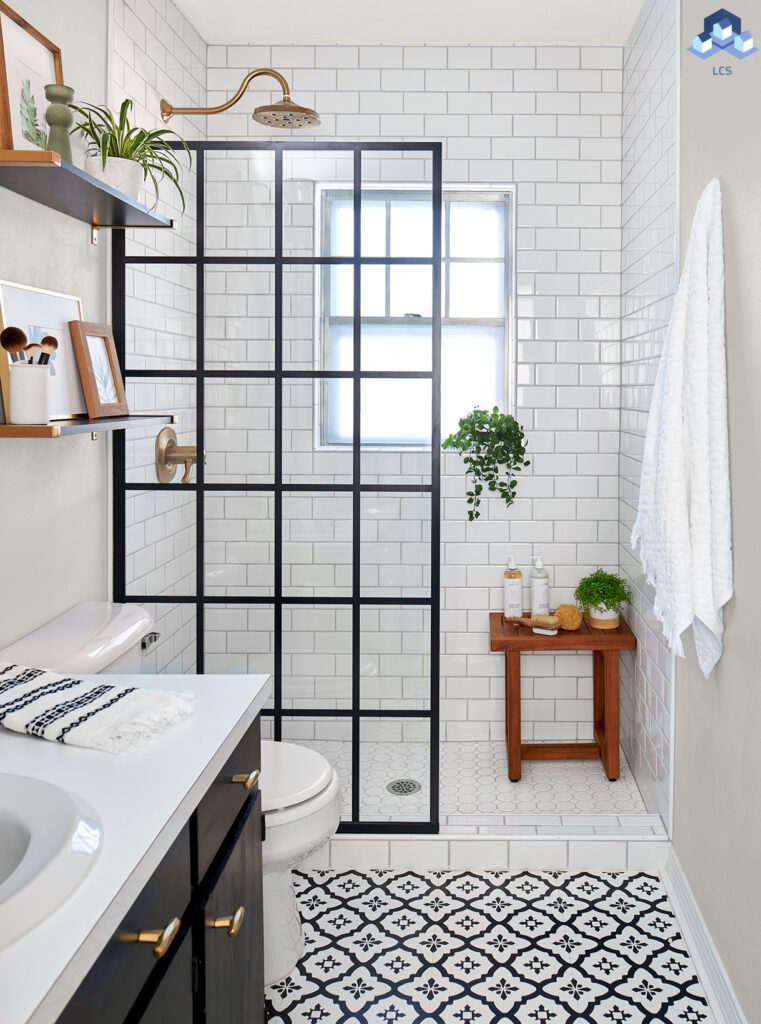
Residential Remodelling
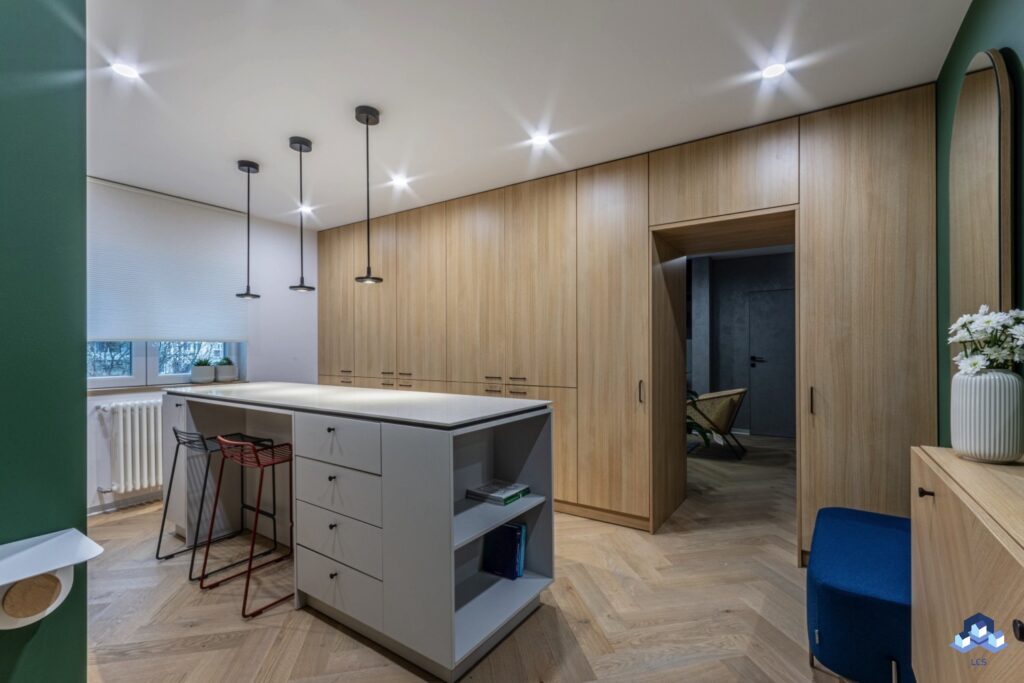
‘To remodel’, which means ‘to alter the structure of something’, as opposed to renovations that are ‘revivals’ of previous state, remodelling a room is more of a complete ‘remake’.
So, whenever you take on a project that completely transforms the layout, structure, and style of a room, you are remodelling it. In other words, you’re definitively changing the look and layout of its space, not merely updating or tweaking it. Likewise, if you want to do something like reconfiguring a household floor plan, you’re also remodelling.
For instance, you may decide to combine your kitchen with your living room to create a more contemporary and open-concept layout. If you do, then you’re planning a remodel, not a renovation. Similarly, if you’d like to install a kitchen island to create more functional cooking space, you’re also remodelling a room.
Essentially, if the project involves a drastic alteration of a space that breathes new life into it while giving off a whole new look and feel, you can bet that it’s a remodel and not a renovation.
Residential Extensions
A conventional house extension is a single or multi-room structure that is built onto the side of a house and which is permanently open to the main house. When built well enough, a house addition essentially blends into and becomes the house itself.
A house addition can have many types of areas: dining room, living room, bathroom, bedroom, kitchen, playroom or lounge area. They can also be single or multi-storey.
You can see all our services here.
We are ready to work on your project, so contact LCS today to get a price quotation.


