Insulation (EWI and Loft)
Insulation used in buildings works as a barrier to hinder the movement of heat in or out of the living areas. By reducing heat flow, insulation helps keep the living spaces in your home cooler in summer and warmer in winter, reducing the need for artificial heating and cooling. This makes well insulated buildings more energy efficient, making them cheaper to run which is also good for the environment.
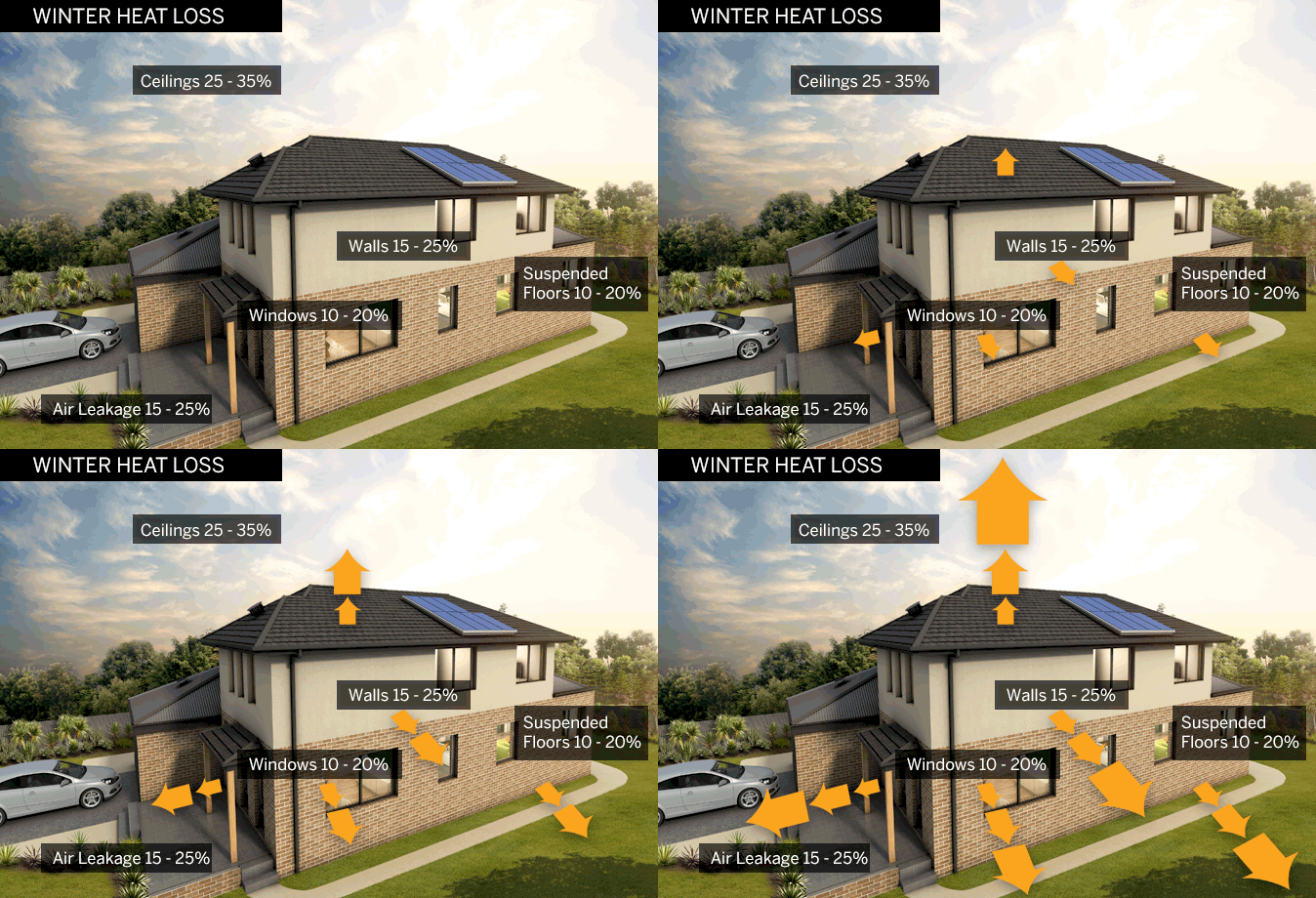
When it’s cool outside and the home is being heated, internal heat can escape from a home if it is poorly insulated. The internal heat conducts outwards through the roof and walls and hot air escapes through gaps around windows and doors by convection. Floors of a home generally conduct heat, losing precious heat to the cool ground below. An under insulated home in winter can lose up to 35% of your expensive internal warmth through the ceilings, another 25% through the walls and up to 20% through the floor and windows. That’s a lot of expensive hot air to lose.
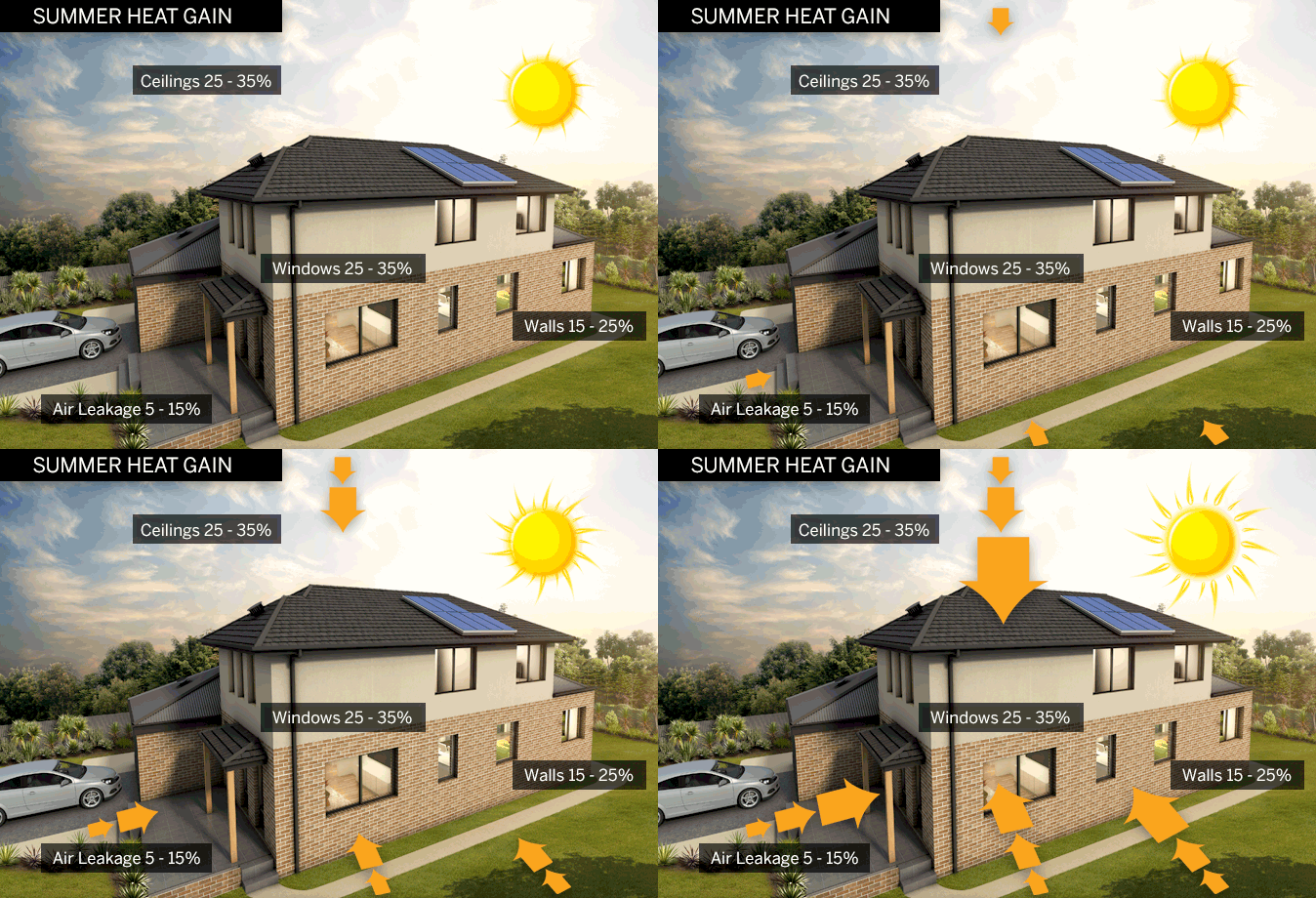
When it’s hot outside, external heat will enter a home if it is poorly insulated. The sun’s radiant energy is absorbed and conducted through the roof and walls, radiant heat can enter via uncovered windows, and hot air can enter through gaps around windows and doors by convection. On a hot day, your home can gain as much as 35% of the internal heat through the ceiling if it is uninsulated.
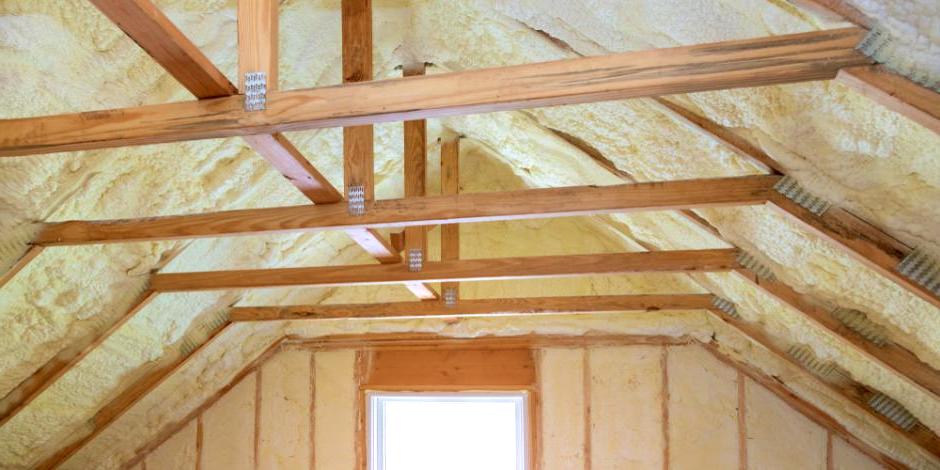
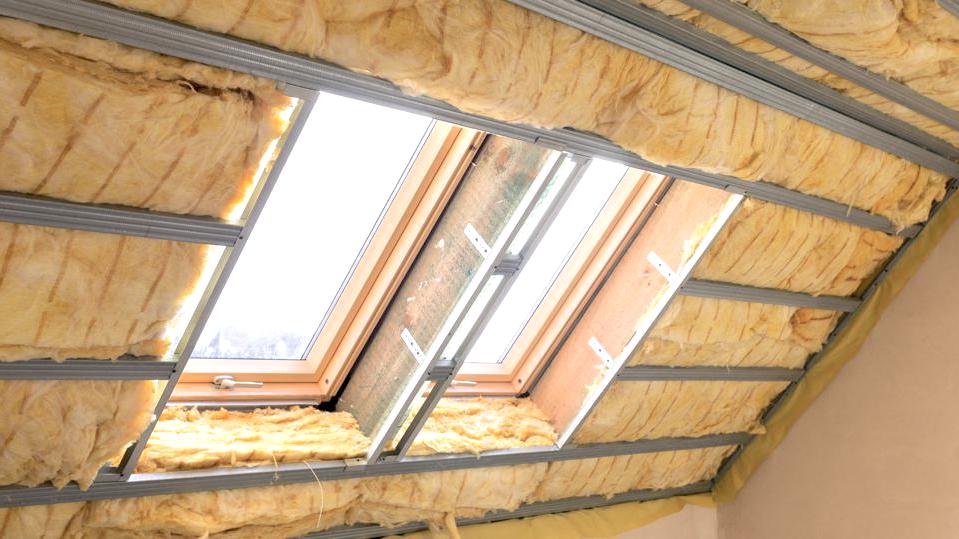
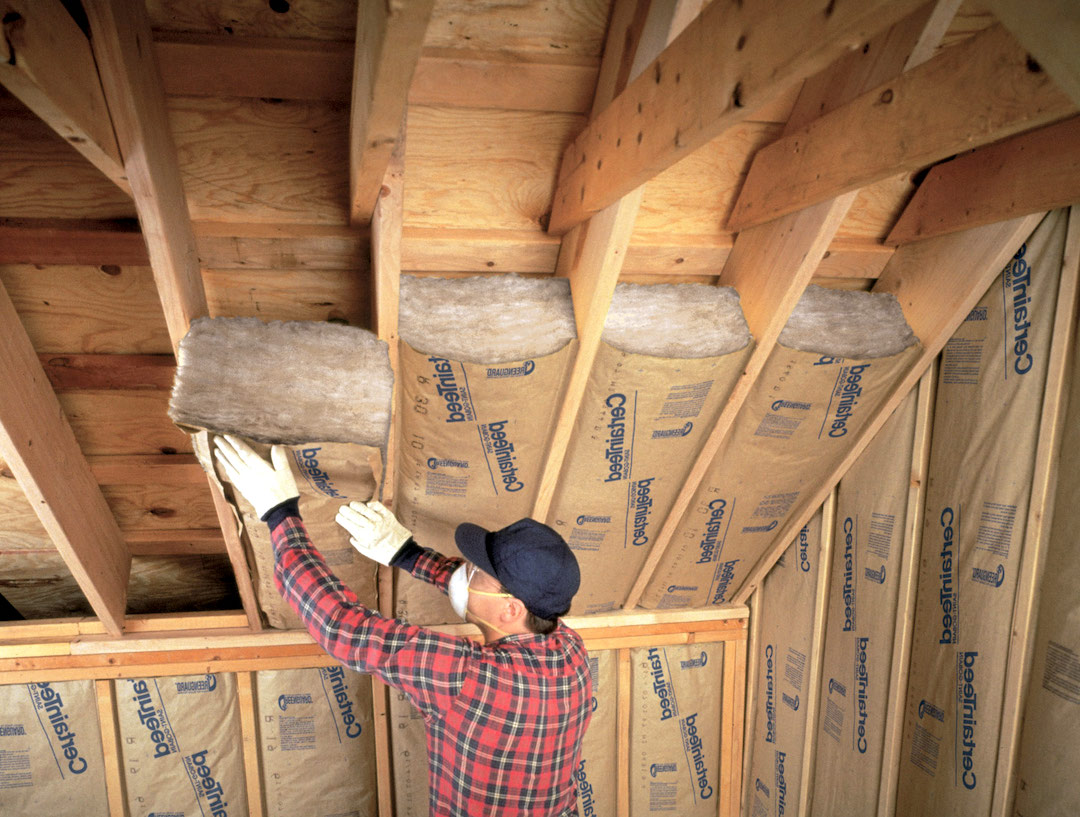
If Roof Sarking Insulation can only be installed during the roof’s construction or reconstruction phase, loft and ceiling insulation can be installed in an existing home with access to the roof space at any time.
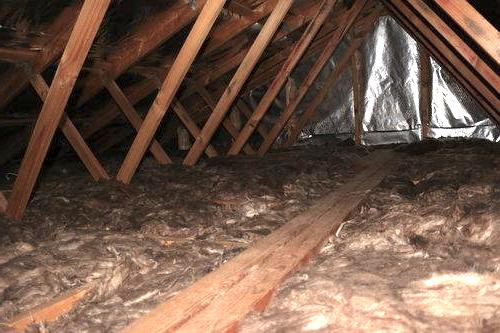
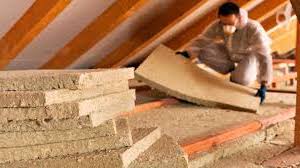
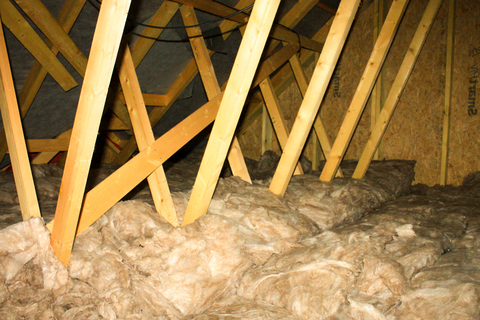
Heat passes all too easily through a poorly insulated loft. In the winter, heated interior air rises naturally by convection and escapes into the loft through numerous air leaks. Conductive heat loss through the cold ceiling makes rooms directly beneath the loft even colder.
The problem reverses on a hot summer day, as loft temperatures rise and heat moves into your living space, creating uncomfortably hot rooms that are expensive to cool. In many homes, these overheated rooms are bedrooms, adding to the homeowner’s frustrations.
If you’re worried about insufficient loft insulation in your home, we can help! Our experts will evaluate your loft and recommend the best solutions to improve your energy efficiency.
External wall insulation involves insulating the outer walls of the homes and buildings through a protective material. The protective material often comes with a decorative finish, so you can insulate the home while also improving its overall appearance.
Outside walls are where thermal transmission most commonly occurs in the majority of buildings. External wall insulation can significantly moderate this – improving the building’s energy efficiency, as well as cutting CO2 emissions and reducing fuel or cooling costs.
External walls come in different shapes and forms. These range from cavity walls to rendered systems and façade cladding, for domestic, commercial, and industrial buildings. Each type of external wall has its own advantages and disadvantages. They appeal to the building owner in one way or another, by assuring good energy performance that meets local requirements.
External wall insulation (EWI) offers various benefits to homes and buildings, including:
- Insulating the homes for better energy efficiency and lower energy bills.
- Improves the weather protection of homes.
- Improve the home appearance.
- Great for properties with no cavity wall insulation.
- Refresh the look of your home.
- Creating a thermal jacket to keep homes warm in winters and comfy in summers.
- Reduce temperature fluctuations inside homes for a comfortable living environment.
- Lower energy bills – save up to 35% on annual heating costs.

There are many types of external wall insulation, with some of the most used being the following:
Mineral Wool
Mineral wool is the type of external wall insulation that we install, Knauf is the brand. For EWI mineral wool is compressed into an insulation board that is fireproof, soundproof and carries all of the same benefits as any other mineral wool insulation which happens to be the worlds most popular type of insulation (and for good reason!).
(EPS) Expanded Polystyrene Insulation
Expanded polystyrene external insulation is a bit like it sounds, polystyrene is compacted together creating a solid insulation board. It’s a lightweight type of insulation, however it comes with varies risks and cons, hence we choose not to install it!
Wood Fiber Insulation
Wood fiber is the most eco friendly and sustainable insulation, making it appealing to people looking to reduce their carbon footprint, however, it is only really suitable for timber framed buildings and things of this nature.
External Rendering
Much like roughcasting, external rendering acts as external insulation but looks much better than roughcasting, both provide another layer of protection for your walls from the outside elements.
You can see all our services here.
We are ready to work on your project, so contact LCS today to get a price quotation.